
2026
Padel-IN Qatar
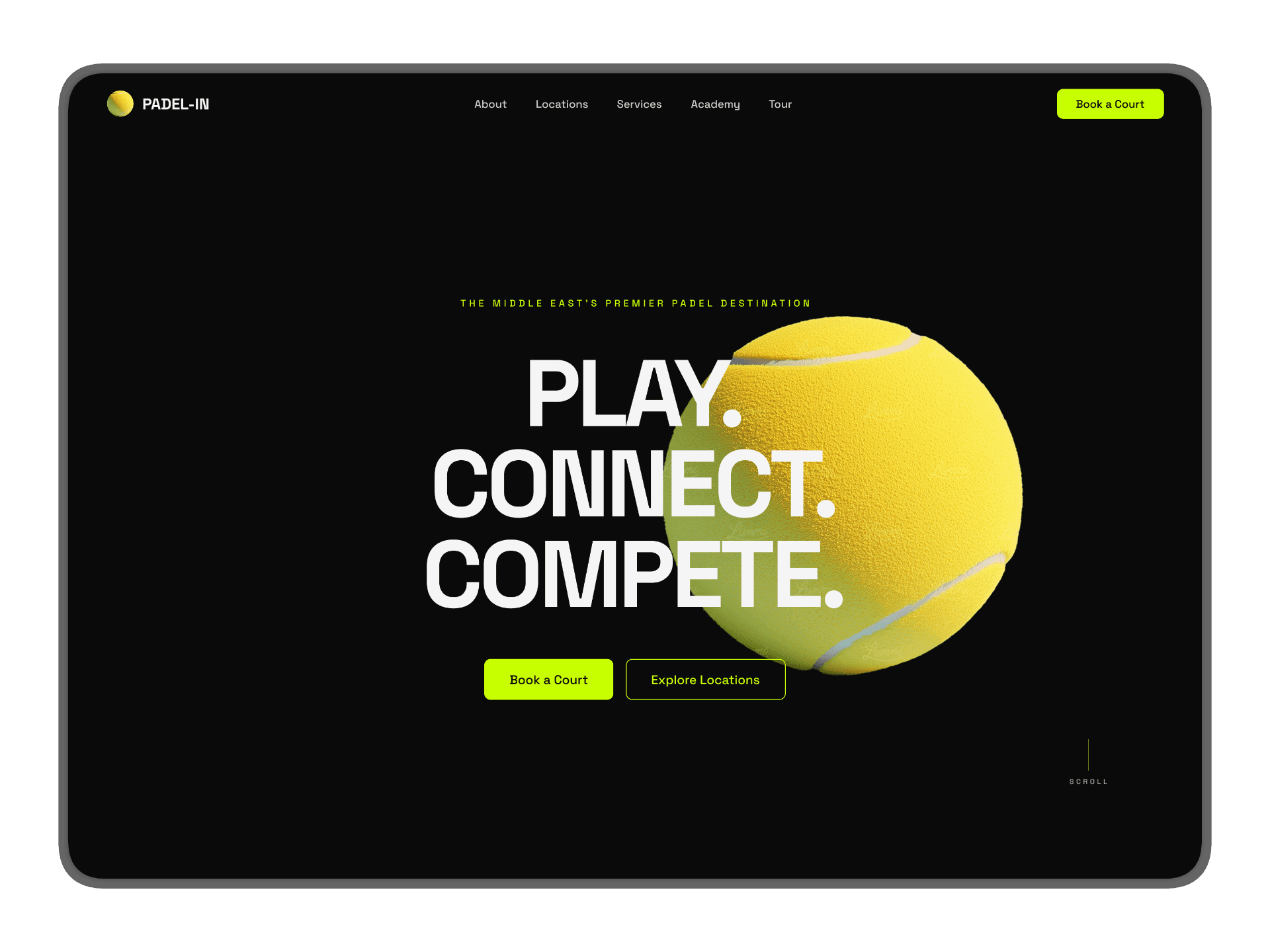
Padel-IN is a digital platform focused on the growing padel ecosystem, connecting players, venues, and experiences within a unified interface. This project involved designing a product that simplifies discovery, booking, and engagement while supporting a fast growing and socially driven sports community.
Conceptual
Proposal
Know More
Sports platforms built around community behave differently from traditional products. They are driven by habit, social interaction, and real time availability. Padel-IN needed to feel fast, intuitive, and engaging while supporting frequent use. The experience had to reduce friction between intention and action.
A sports platform designed to streamline discovery, booking, and engagement within a growing padel community.
The project focused on creating a seamless digital experience that allows users to find courts, connect with players, and manage bookings effortlessly. Structure, hierarchy, and interaction design were aligned to support quick decision making and repeated use across mobile and web contexts.
Problem
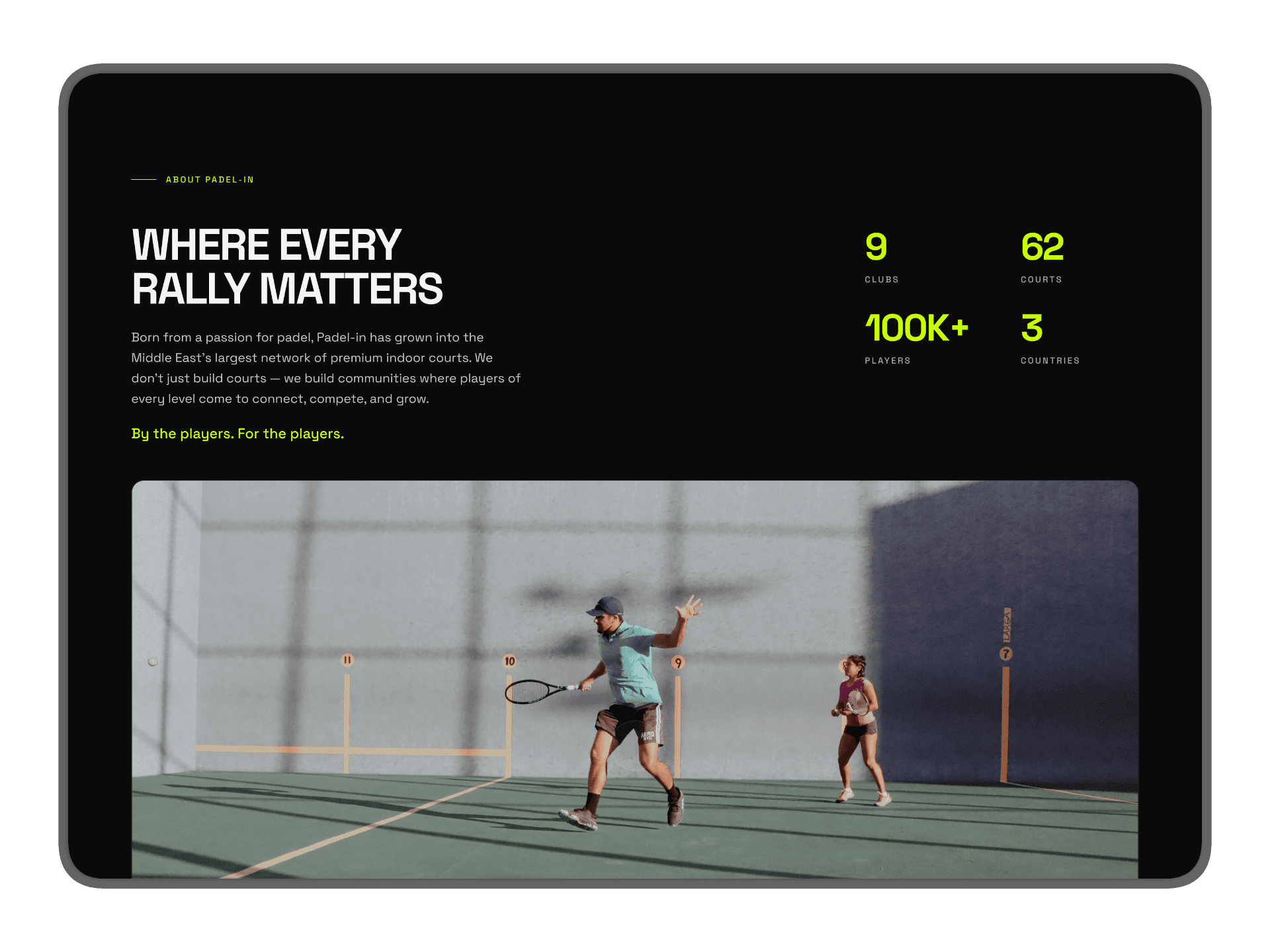
Community driven sports platforms often struggle with fragmented user journeys. Users need to search, compare, book, and coordinate within a short time frame. Without clear structure, these actions become disjointed and time consuming. The challenge was to unify these interactions into a cohesive and intuitive experience.
Users needed to quickly find available courts based on location and time. Booking processes could become unnecessarily complex if not structured clearly. Social interaction between players required intuitive pathways. Information density risked overwhelming users, especially during peak usage periods when speed is critical.
Solution
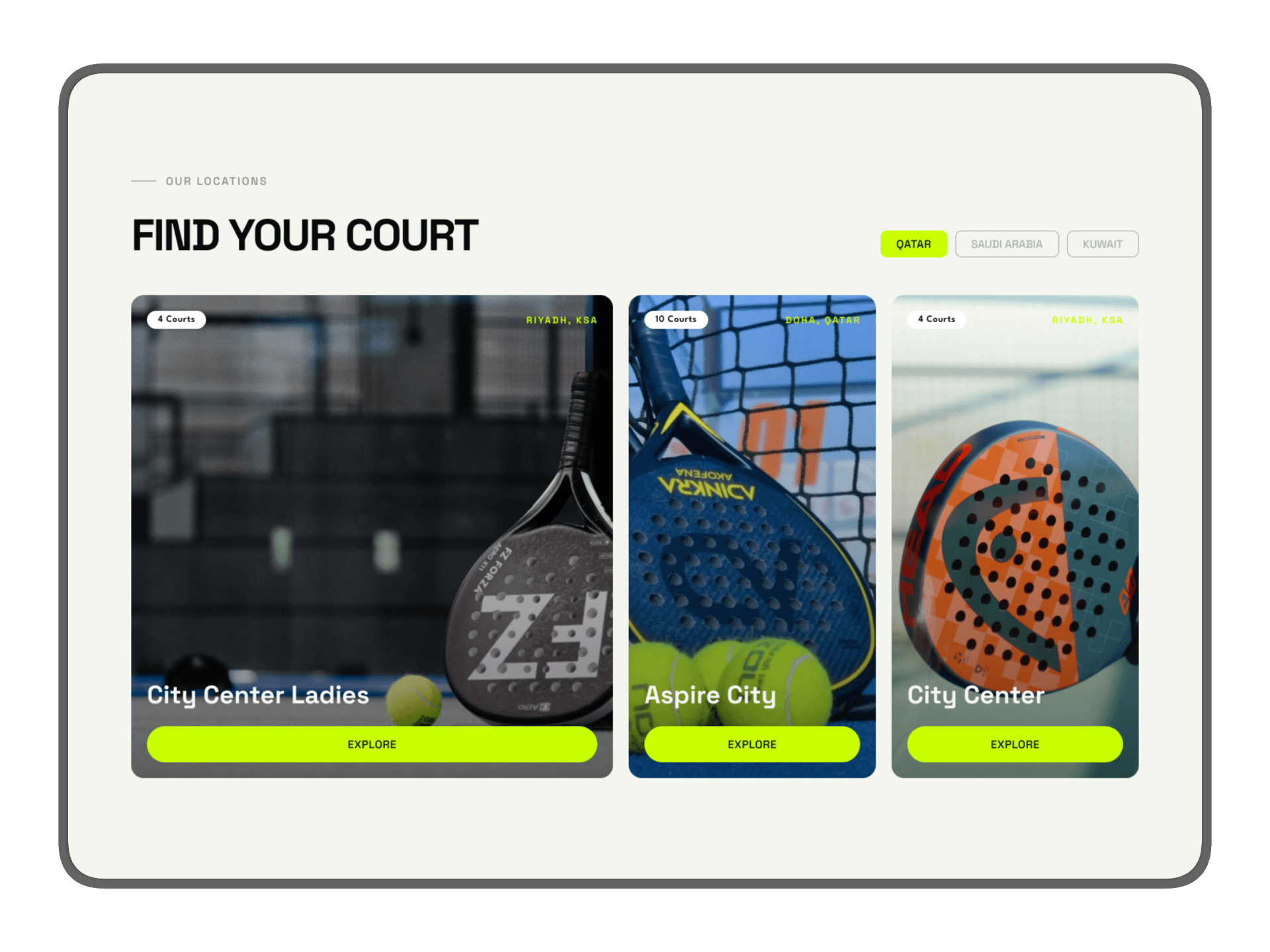
The solution focused on designing for speed and clarity. The experience was structured around core user actions such as discovery, booking, and connection. Navigation and interaction patterns were simplified to reduce effort and support habitual use.
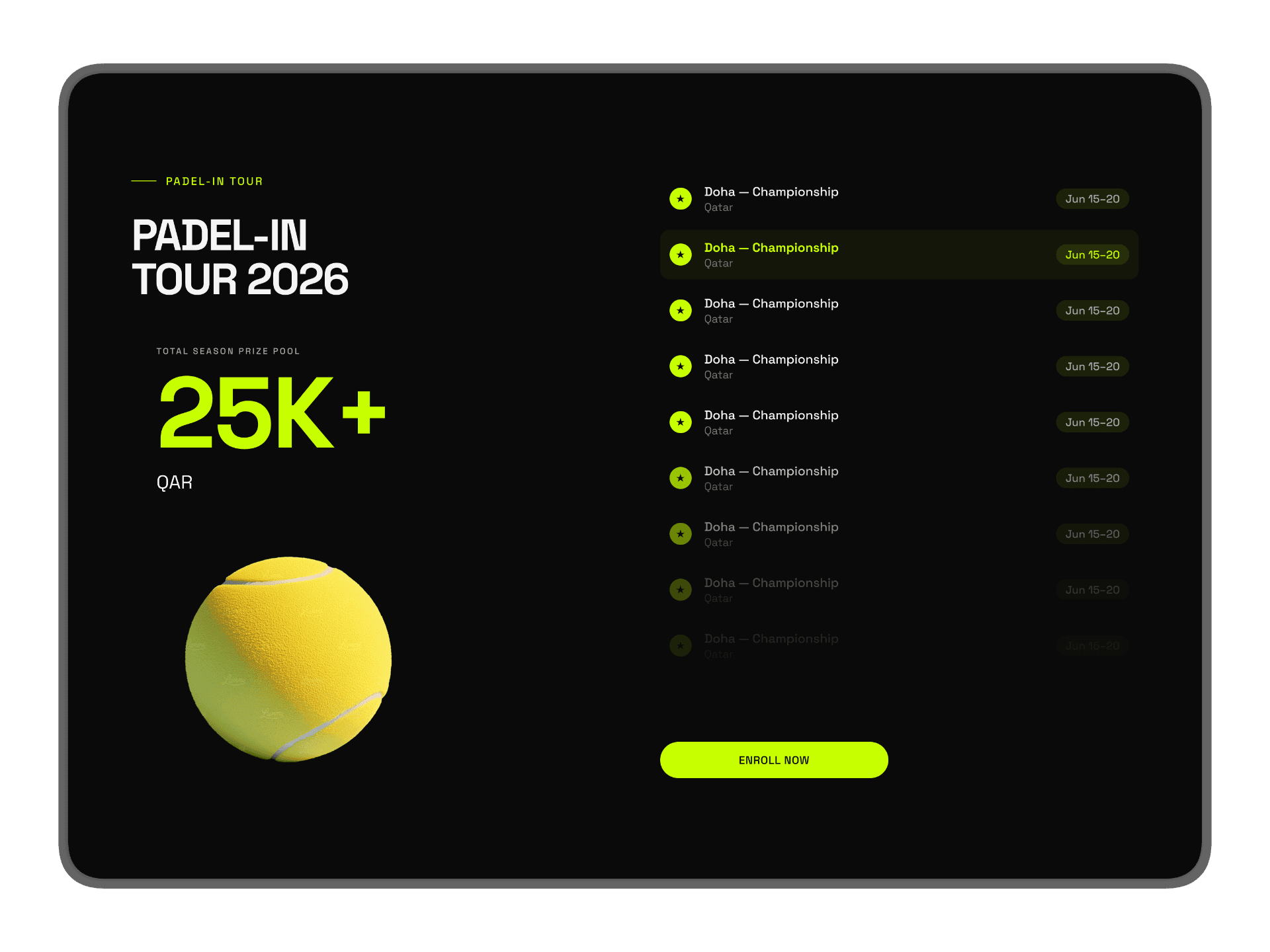
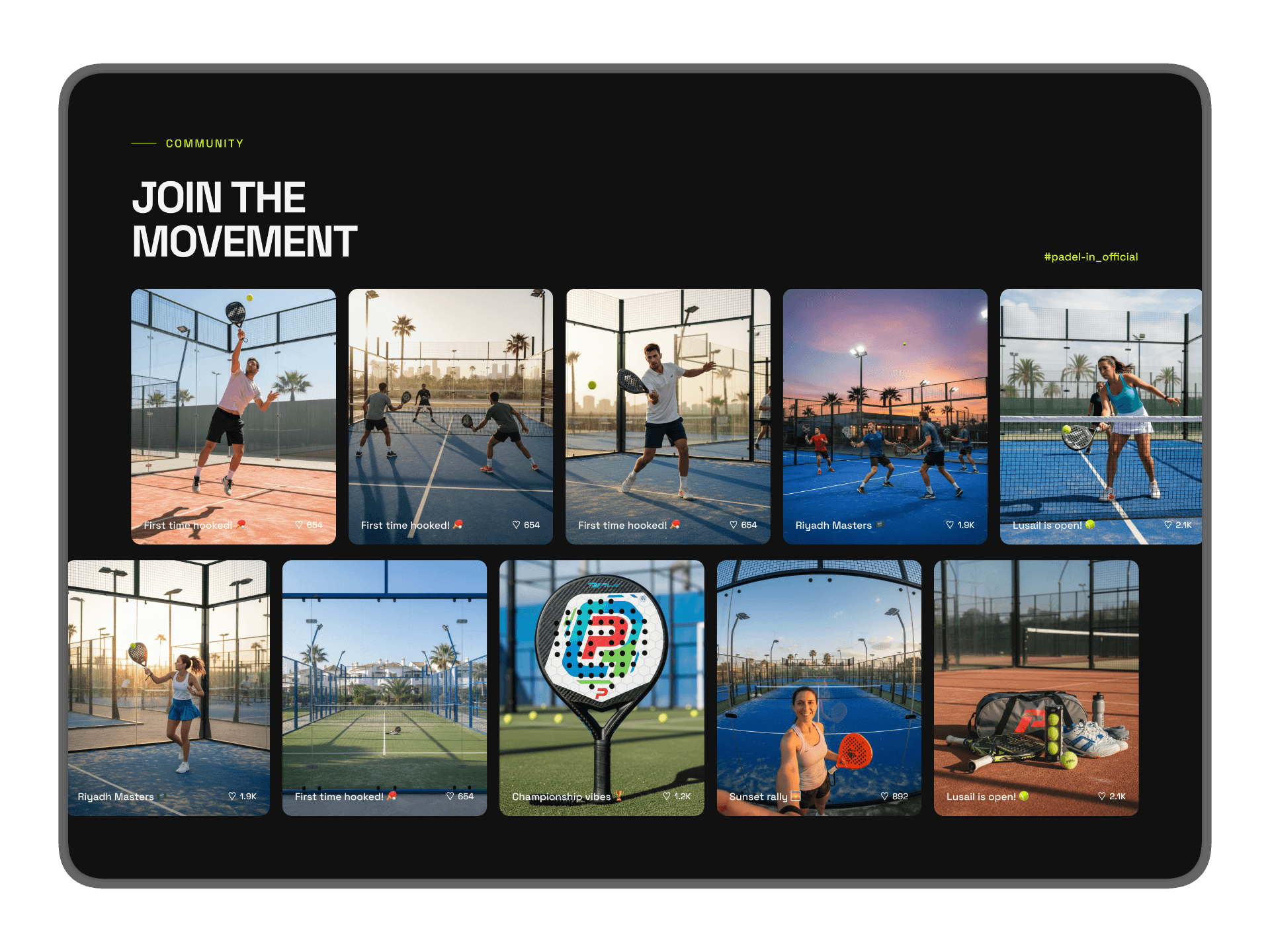
Search and filtering were optimized to surface relevant options quickly. Booking flows were streamlined to minimize steps. Clear hierarchy supported fast scanning of availability and pricing. Social features were integrated naturally into the experience. The result is a product that feels responsive, intuitive, and easy to use.
Concept
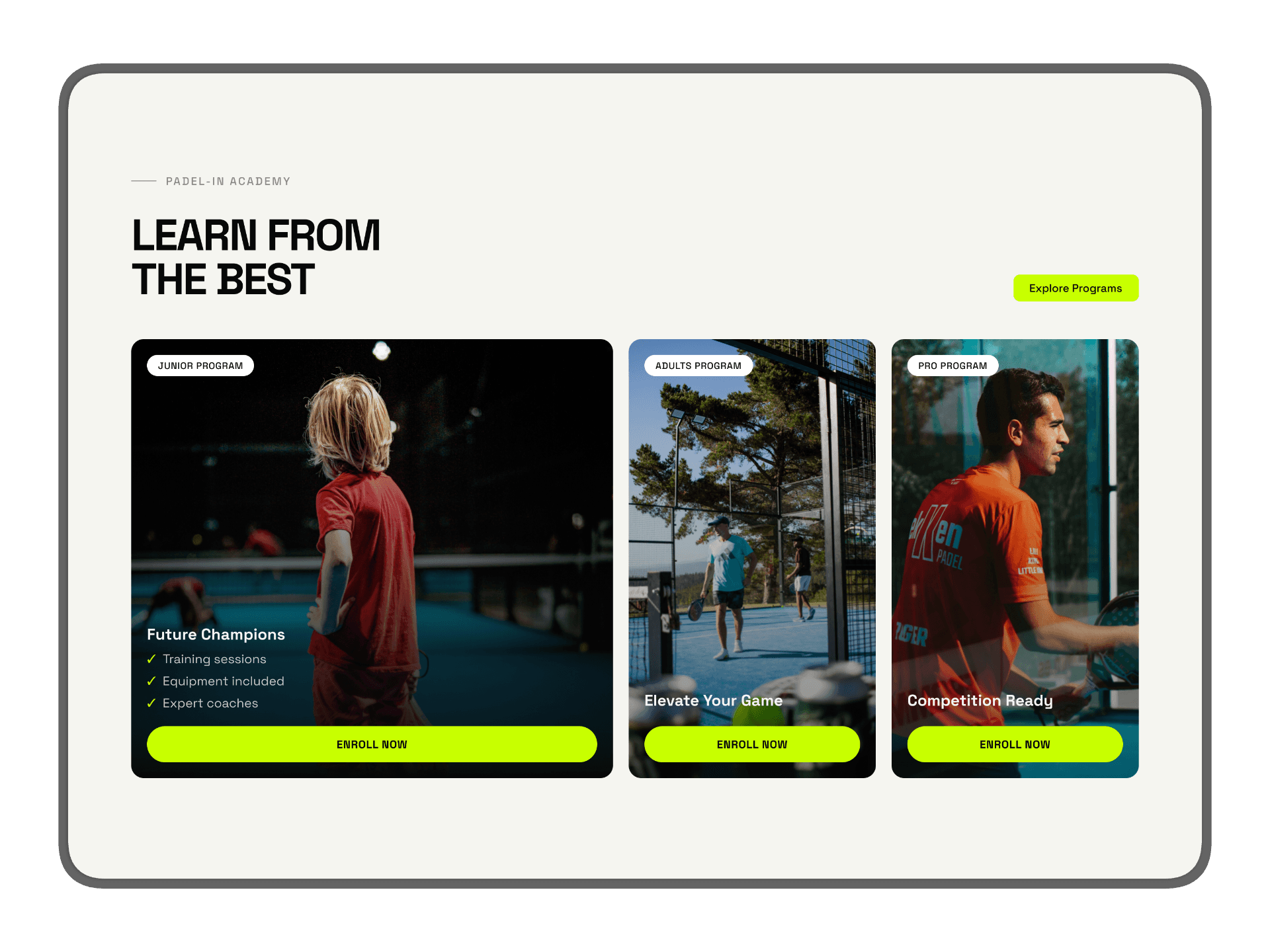
The guiding concept was frictionless play. The platform should remove barriers between intention and participation.
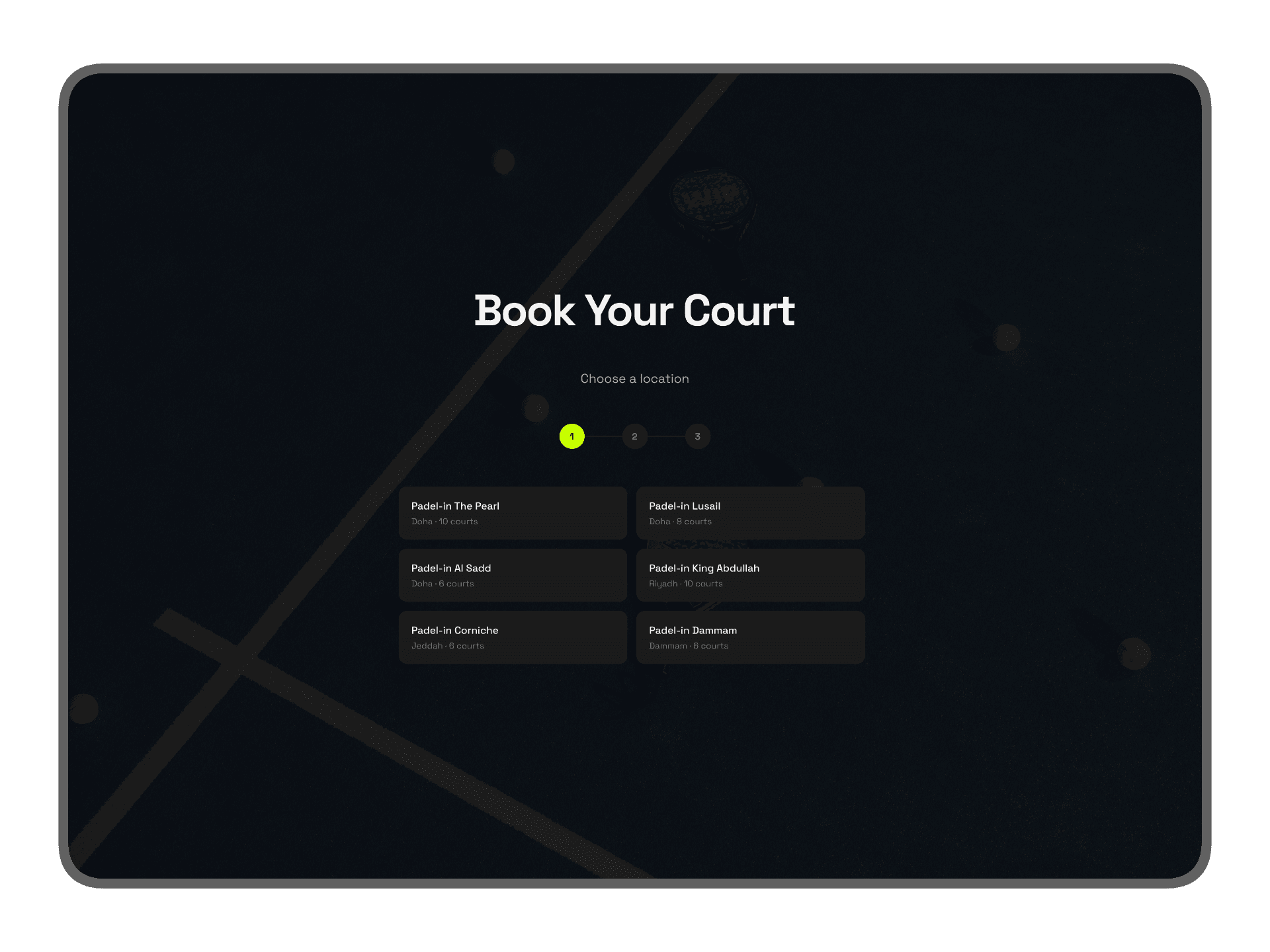
The interface emphasizes speed and accessibility. Information is presented clearly and efficiently. Interactions feel immediate and predictable. The experience supports both individual and social engagement. Design decisions prioritize ease of use and repeat interaction within a dynamic sports environment.
More Works
2026
Padel-IN Qatar
Padel-IN is a digital platform focused on the growing padel ecosystem, connecting players, venues, and experiences within a unified interface. This project involved designing a product that simplifies discovery, booking, and engagement while supporting a fast growing and socially driven sports community.
Conceptual
Proposal
Know More
Sports platforms built around community behave differently from traditional products. They are driven by habit, social interaction, and real time availability. Padel-IN needed to feel fast, intuitive, and engaging while supporting frequent use. The experience had to reduce friction between intention and action.
A sports platform designed to streamline discovery, booking, and engagement within a growing padel community.
The project focused on creating a seamless digital experience that allows users to find courts, connect with players, and manage bookings effortlessly. Structure, hierarchy, and interaction design were aligned to support quick decision making and repeated use across mobile and web contexts.
Problem
Community driven sports platforms often struggle with fragmented user journeys. Users need to search, compare, book, and coordinate within a short time frame. Without clear structure, these actions become disjointed and time consuming. The challenge was to unify these interactions into a cohesive and intuitive experience.
Users needed to quickly find available courts based on location and time. Booking processes could become unnecessarily complex if not structured clearly. Social interaction between players required intuitive pathways. Information density risked overwhelming users, especially during peak usage periods when speed is critical.
Solution
The solution focused on designing for speed and clarity. The experience was structured around core user actions such as discovery, booking, and connection. Navigation and interaction patterns were simplified to reduce effort and support habitual use.
Search and filtering were optimized to surface relevant options quickly. Booking flows were streamlined to minimize steps. Clear hierarchy supported fast scanning of availability and pricing. Social features were integrated naturally into the experience. The result is a product that feels responsive, intuitive, and easy to use.
Concept
The guiding concept was frictionless play. The platform should remove barriers between intention and participation.
The interface emphasizes speed and accessibility. Information is presented clearly and efficiently. Interactions feel immediate and predictable. The experience supports both individual and social engagement. Design decisions prioritize ease of use and repeat interaction within a dynamic sports environment.
More Works
2026
Padel-IN Qatar
Padel-IN is a digital platform focused on the growing padel ecosystem, connecting players, venues, and experiences within a unified interface. This project involved designing a product that simplifies discovery, booking, and engagement while supporting a fast growing and socially driven sports community.
Conceptual
Proposal
Know More
Sports platforms built around community behave differently from traditional products. They are driven by habit, social interaction, and real time availability. Padel-IN needed to feel fast, intuitive, and engaging while supporting frequent use. The experience had to reduce friction between intention and action.
A sports platform designed to streamline discovery, booking, and engagement within a growing padel community.
The project focused on creating a seamless digital experience that allows users to find courts, connect with players, and manage bookings effortlessly. Structure, hierarchy, and interaction design were aligned to support quick decision making and repeated use across mobile and web contexts.
Problem
Community driven sports platforms often struggle with fragmented user journeys. Users need to search, compare, book, and coordinate within a short time frame. Without clear structure, these actions become disjointed and time consuming. The challenge was to unify these interactions into a cohesive and intuitive experience.
Users needed to quickly find available courts based on location and time. Booking processes could become unnecessarily complex if not structured clearly. Social interaction between players required intuitive pathways. Information density risked overwhelming users, especially during peak usage periods when speed is critical.
Solution
The solution focused on designing for speed and clarity. The experience was structured around core user actions such as discovery, booking, and connection. Navigation and interaction patterns were simplified to reduce effort and support habitual use.
Search and filtering were optimized to surface relevant options quickly. Booking flows were streamlined to minimize steps. Clear hierarchy supported fast scanning of availability and pricing. Social features were integrated naturally into the experience. The result is a product that feels responsive, intuitive, and easy to use.
Concept
The guiding concept was frictionless play. The platform should remove barriers between intention and participation.
The interface emphasizes speed and accessibility. Information is presented clearly and efficiently. Interactions feel immediate and predictable. The experience supports both individual and social engagement. Design decisions prioritize ease of use and repeat interaction within a dynamic sports environment.
More Works